Cool Projects
These are projects that I either found inspiration from, reference often, or just generally think are neat.
This page is broken up into
- Technical Projects
- Technical Articles/Blogs
- Documentation and Visualization Tools
- Learning Materials
These are not perfect categories, there may be overlap between sections and some articles could be justified in multiple sections. Items are placed where I think made sense.
Technical Projects
This is a collection of some of my favorite projects found online. They are usually a source of thought, inspiration, and often a good amount of imposter syndrome. I obviously don’t have strict criteria for what projects really stick with me, but I have found that most often their motivation statement could be ¯\_(ツ)_/¯. The unnecessary, but made anyways really captures what I love about all you can create with programming. To misquote Thoreau in Walden:
“To be intoxicated by a single glass of wine; I have experienced this pleasure when I have drunk the liquor of the esoteric”
I will attempt to provide a decent summary of each, but please check out the original sources!
ASCII Play
A browser-based live-code environment with some really fun starting points. The sand pile was fun to play in.
Button Stealer
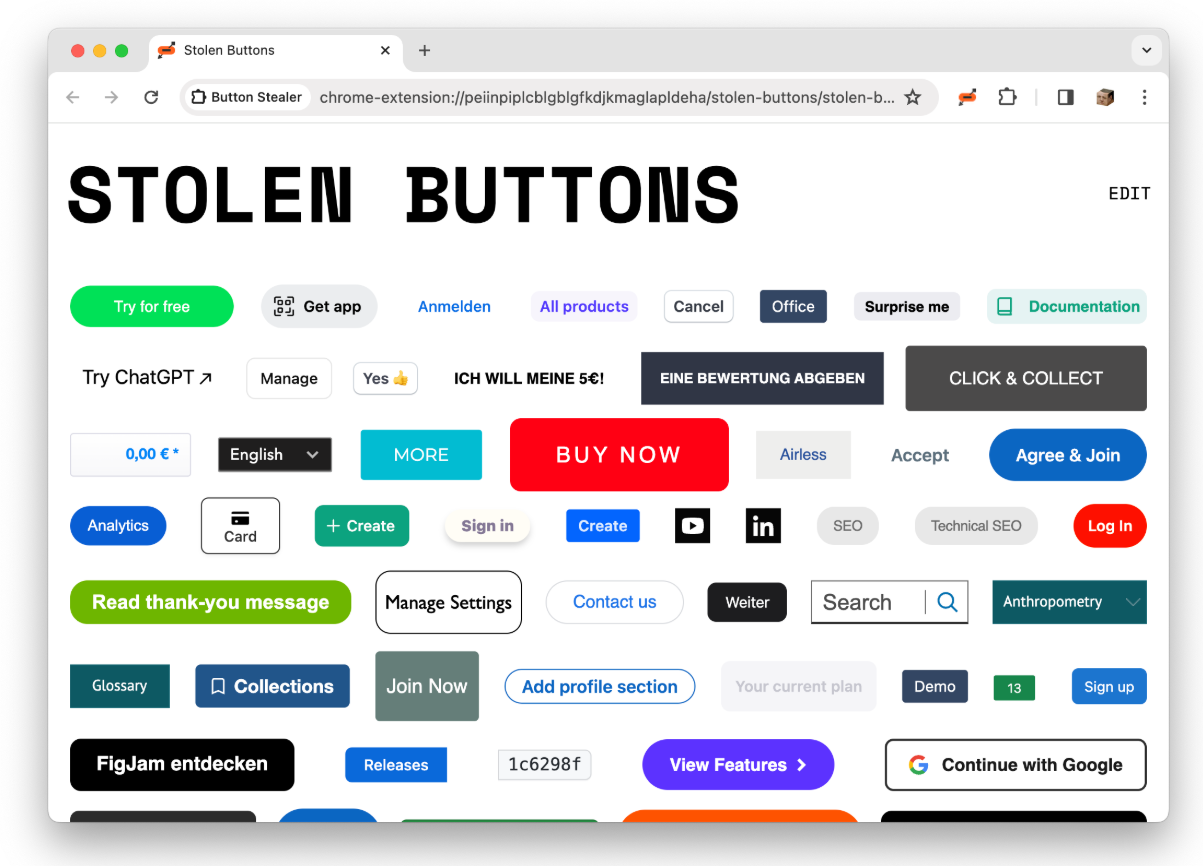
A Chrome extension that “steals” a button from every website you open, adding it to a trophy wall of buttons you have encountered.
Extremely Linear Git History
Why use random checksums when you could use neat and tidy ordered numbers?
Open and Shut
Type in Morse code by repeatedly slamming your laptop shut (Really worth checking out the readme for an example).
Copy Dialog Lunar Lander
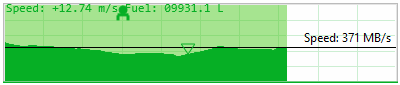
Play Lunar Lander in the Windows copy dialog box.
Why I love this so much:
- The idea of landscape from file transfer speed
- Difficulty level based on connection stability
- Messing with system settings to get “different worlds”
- “OS built-in level editor”
WordTeX
A great video on typesetting in Word.
Also has a brief section on the Turing completeness of autocomplete, because why not.
The Fuck
A command line application that corrects errors in previous console commands. It also allows setting an alias for a cleaner console log…
Example:
> git push
fatal: The current branch master has no upstream branch.
To push the current branch and set the remote as upstream, use

    git push --set-upstream origin master


> fuck
git push --set-upstream origin master [enter/↑/↓/ctrl+c]
Counting objects: 9, done.
Badness 0
A fantastic video from suckerpinch that has a unique approach to typesetting. An awesome amount of work for a really fun product.
Solid State Volumetric Display
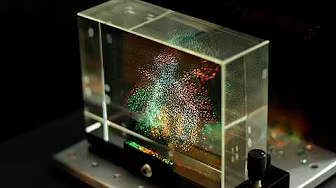
A cool video of a topic I find randomly interesting, volumetric displays. Most of them are created with spinning or linear movement, so this is a neat approach.
Can You Draw Every Flag in Powerpoint?

Perfect example of putting way too much work into an esoteric project. PowerPoint is my preferred meme generator for work so this holds a special place in my heart.
It has (very rapidly) spawned several other in depth videos expanding on the PowerPoint flag making capabilities.
Emergent Complexity
Emergent behaviors and complexity have long been an interesting subject. This is a great overview video of the topic, and introduction to Stephen Wolfram, who’s writings I really enjoy.
Automating Jetpack Joyride with Image Recognition

Great video going over a cool use of free will. I played a ton of Jetpack Joyride as a kid so this is really cool to see.
Olaf
Disney Research’s video (and paper) on “Bringing an Animated Character to Life in the Physical World”. This goes over some of the standard constructive training techniques and blends them with the hardware required to make it real. While I (currently) don’t have any hardware experience, this is a bit of an area of interest for me, with James Bruton being primarily to blame.
Disney’s Imagineers put out some really high quality work and technical papers. It is very neat to see that work being shared so publicly, so this channel is definitely worth a follow.
How Does A Blind Model See The Earth?
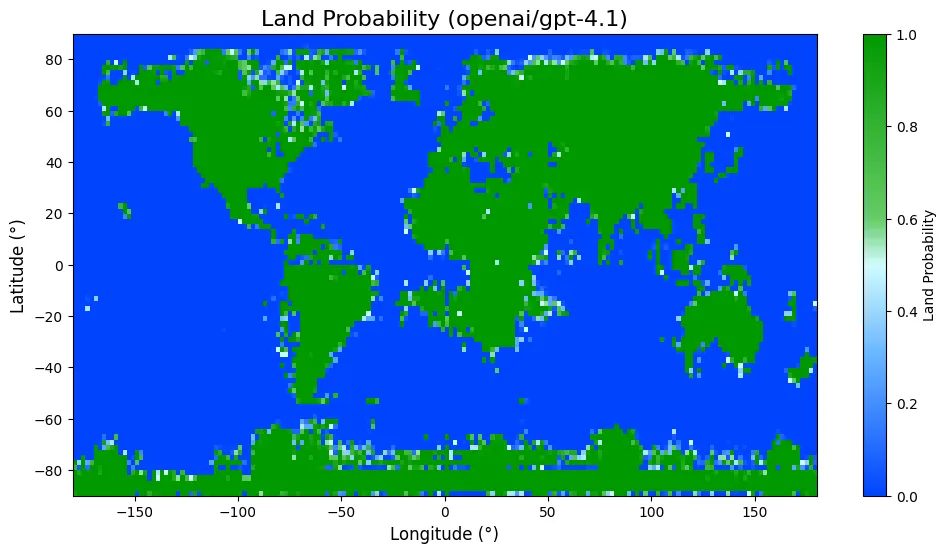
This is a fantastic article that practically compares models in an interesting way. It feels like getting a peak inside the “brain” of the different models. This fits neatly into my fascination with heightmap projects.
Spacetime Maps
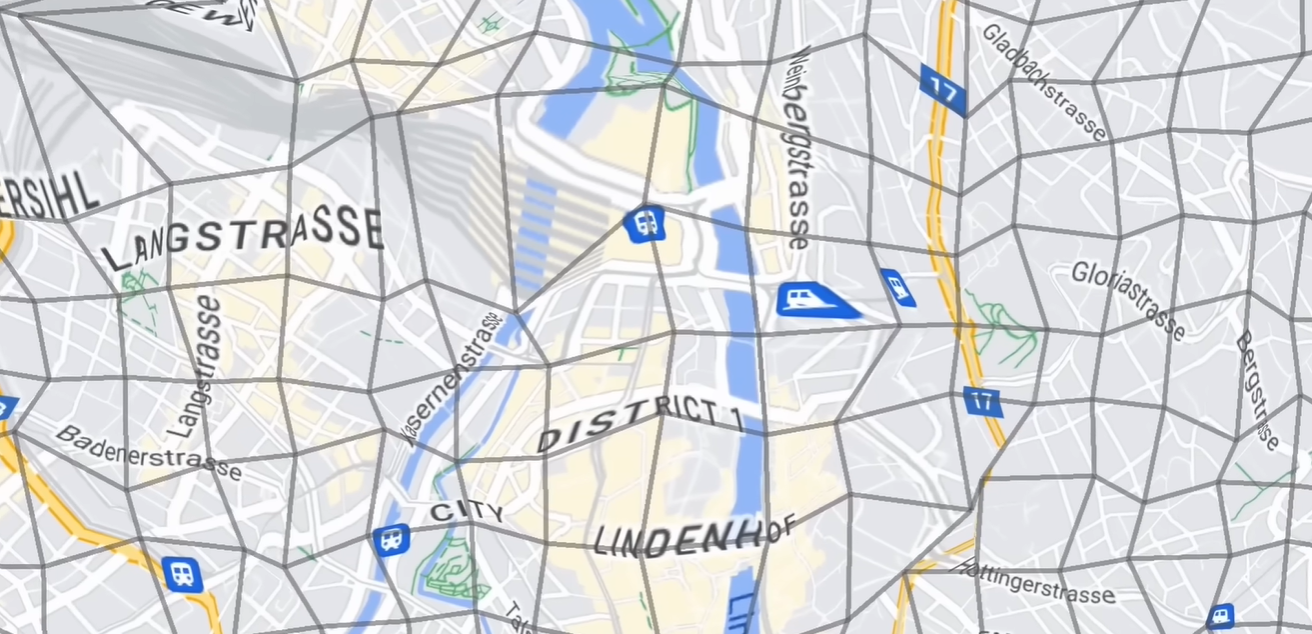
A map that can show time instead of space. Distances in the map reflect travel times: points that are close but take a long time to travel between (by car) get pushed away from each other, and vice versa.
GLOBAL CAPS LOCK
Hilarious Readme, well worth the quick read.
by using this client YOU CAN SYNCHRONIZE YOUR CAPS LOCK STAte with everyone elsE USING THIS CLIENT WHENEVER I PRESS CAPSLOck it is pressed for you and VICE-VERSA
Their stated “Why?” answer is beautiful and fits my criteria for a cool project:
I WANTED us to all agree about caps lock usage
Breaking the Limits of Simulation to Find Order in Chaos
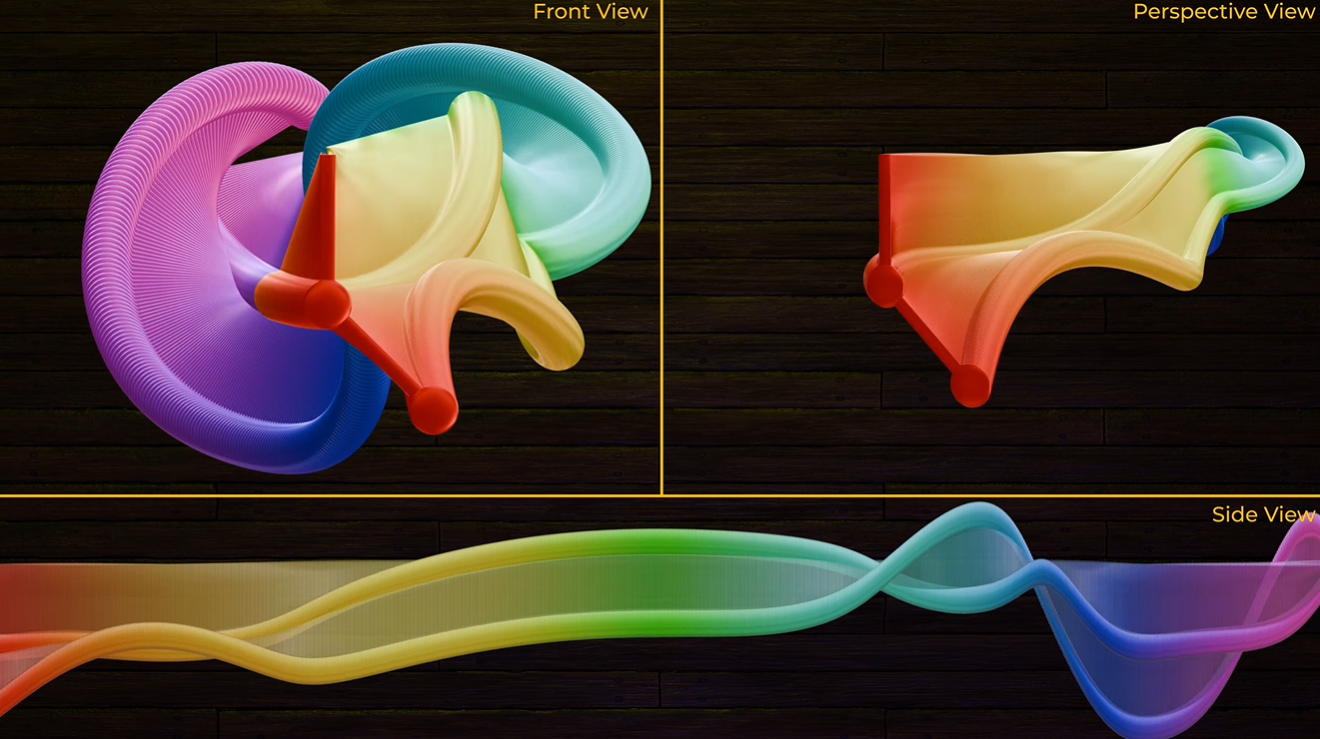
This is a beautiful video that goes into great detail on the emergent behaviors of double pendulums. It builds up the necessary background and dives into interesting areas with fantastic visualizations that build on each other in a very cohesive narrative. This is very impressive from a data visualization/story perspective. A ton of hard work went into this video and it shows.
Technical Articles
I have several blogs and technical sites I like to read. Usually get a batch of them every month then try to get through one a day. Gives a break from technical stuff, easy reading during lunch, or expands my range a bit. Started this a few years ago when a former boss suggested daily reading as a habit for expanding/connecting ideas and staying current with interesting things.
-
Stack Overflow Blog: Mainly focused on Webdev and AI right now. Some interesting things in their history.
-
Stack Exchange hot questions: A lot more random things, find something interesting every now and again.
-
Stephen Wolfram Writings Math and technical heavy. His personal and work writeups are nuts.
-
Halfbakery: Just for fun/fuel to my never-ending list of side projects I’ll totally get to one day…
-
Joel on Software: Not many updates but older articles.
-
Atlassian Blog: Most recent addition. Pretty liberal/HR heavy approaches but food for thought. I really like their concept of playbooks that they share in some of them.
-
RJ Andrews is the data scientist who did the “Info We Trust” book and the moon landing website. I’m subscribed to his monthly(?) newsletter.
-
- A fantastic interactive timeline of the first moon landing, created by the above RJ Andrews. He also has a great writeup documenting the process of creating it. This is a top tier example of getting a wide amount of info across in a clean and clear way.
Documentation and Visual Tools
Sourced from some work notes:
Someone asked today about Mermaid, and it made me want to share some of the other documentation and visual tools I’ve collected. Figured I should share the list with the whole operation. Please add to it if you have anything else!
-
Obsidian: Great general purpose notetaking tool. Has good plugin support.
-
Obsidian Kanban plugin: Creates a Kanban board for small tasks I can move as needed.
-
Excalidraw plugin: Integrates Excalidraw, a feature rich sketching tool, into Obsidian.
-
Obsidian Git plugin: Allows automatic backups of your obsidian vault.
-
Dataview plugin: Uses SQLite like commands to aggregate data from different files in the vault. I use it for totaling hours for my different projects to track percentages
-
Obsidian Checkboxes: I recently found a cool theme that extended markdown checkboxes for different uses! So here it is in snippit form, simply drop in your Obsidian Snippits folder and load into your application (May not work with all custom themes, but you can just modify the css).
-
- [ ] open
- [x] complete
- [!] important
- [>] deferred
- [?] question
- [i] info
- [-] canceled
- [/] partial
-
Excalidraw: Deserves its own mention outside of the Obsidian plugin
-
Mermaid: Great for a range of diagrams, flow, sequence, class, and git! There is also Obsidian support for simple Mermaid style diagrams within code blocks
-
Ascii Flow: Good tool for generating formatted text blocks with proper spacing for code comments
-
Fighter Brief: Huge shoutout to John DeWeese for showing me this. Cool way to display a range of military equipment and movement. NOT CUI SAFE, just fun to mess around with.
-
Symbl: for all your symbol needs
-
Beautiful embroidered aerial field art. It reminds me of my terrain generation project and center pivot irrigation calculations. VICTORIA ROSE RICHARDS is a “needle painter” embroidering aerial field art inspired by her native Devon countryside in England. Found her work through an RJ Andrews post.

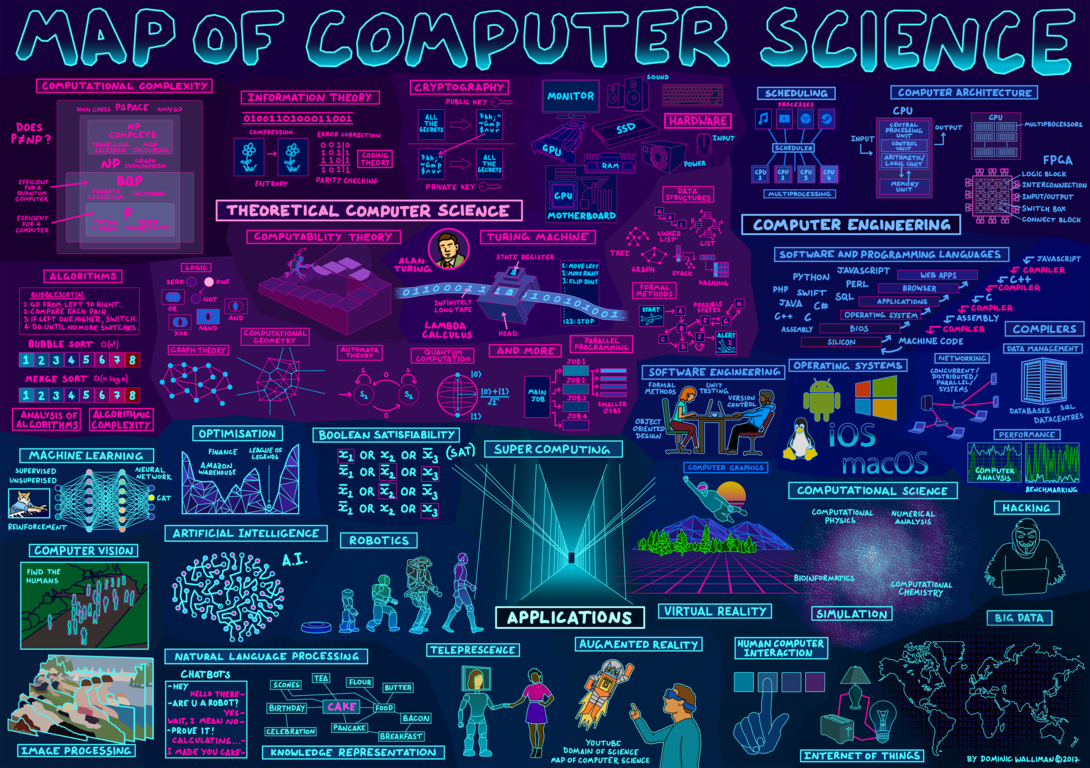
- This map of computer science has stuck with me for several years. I love it from a layout perspective, how the ideas are conveyed with graphics, and the relative locations/colors of different areas. I have found myself thinking about my own skills and technical domains as a map that has it’s “fog of war” effect slowly removed as I link ideas together and things start falling into place. This is really only a retrospective look at it, and nothing I would be able to actually draw out, just a fun analogy I keep coming back to.
- Drawing Invisible Concepts is a nice look at the process of conveying information in a visual way. I have recently accepted that I am much more of a visual person than I originally thought, primarily because of the analytical products I am finding to be the most interesting at work. This has lead me to researching more of this idea: how can we take tons of data and most effectively share it? This is useful for customer outbriefs and creating useful summaries with the proper level of detail.
- Kvick Sort is a great example of this, from the well known creator of nonverbal
(algorithm) assembly instructions,
IKEAIDEA.
- Kvick Sort is a great example of this, from the well known creator of nonverbal
(algorithm) assembly instructions,
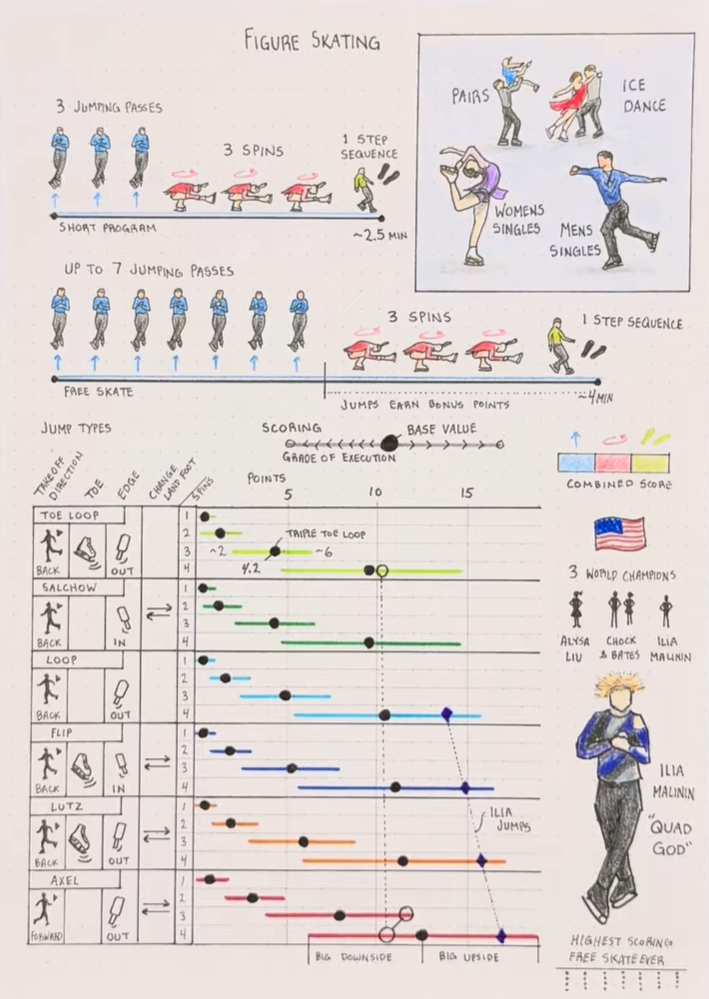
- Sports Ball has a beautiful selection of inspiration for both data visualization and a narrative presentation of it.
Learning Materials
The following was started as a collection of materials for a new hire before they graduated, looking for things to study up on. Here is an outline of some generic training/skills that I think would be useful on the job. All these links are things that I have found/been linked to on the job and have used at some point! They are roughly in priority order.
-
GitLab/Git: We primarily use GitLab for our code repos, issue tracking, and CI/CD. I still use GitHub for my personal projects, as it was started in college. Getting accustomed to some of the differences early is useful.
-
Design Patterns: Pretty easy introductions to common patterns within software engineering. Can be useful if you want to beef up on ways to think about and structure code.
-
The Virtual Terrain Project: More on the visual side, but probably the most fun on this list. Cool visualizations and tools, decent amount out of date and few that we use, but cool to see what is out there. DTED, ground imagery and cultural aspects are likely the most relevant, but poke around whatever is interesting to you. Context is always useful.
-
Soft(er) Skills: Don’t neglect these. Simple things like technical writing (Word is primary, sorry no LaTeX…) and presentations (both putting together in PowerPoint and presenting them) are useful. I would not spend extra time “practicing” them, but take them seriously if they come up in school!
-
ISE Engineering Fundamentals: Much more detailed and strict project rules. Gives good ideas on what working on a team can look like and best practices. That does not mean we follow all of them, but again, good for reference.
-
Making Software: A reference manual for people who design and build software.
Written by a human.
For questions, bug reports, or complaints, please contact me!