Out of the Silent Planet Review
by C.S. Lewis. Published 1938. These notes were originally for a book club writeup I did, so more in discussion format than article form.
Religious Background of Lewis
Argued that the existence of extraterrestrials wouldn’t clash with Christian beliefs, in his book, Religion and Rocketry Lewis wrote frequently on subjects such as the relationship between science and religion in the modern age, the nature of the afterlife, and other dimensions.
Very different from other SF writers, (Asimov, Clarke) who were atheist.
Descriptions of the animals
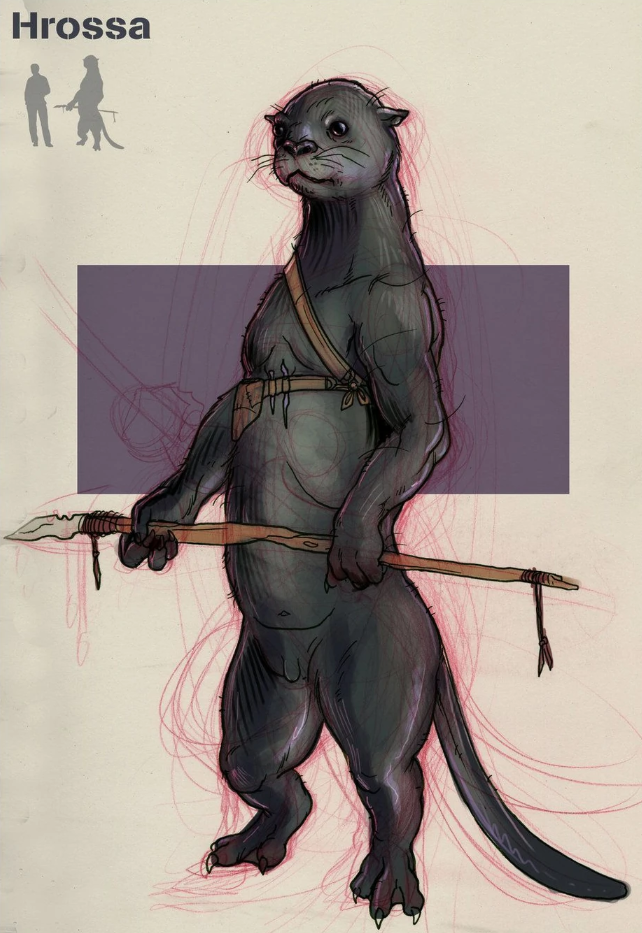
Hrossa
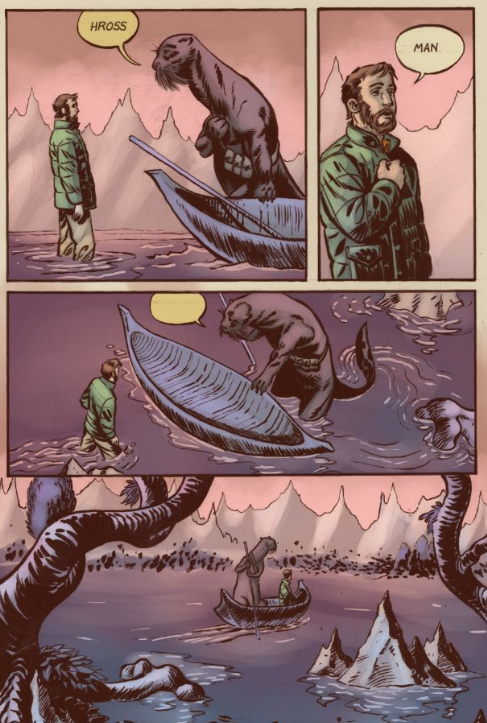
They resemble bipedal otters or seals, and are somewhat taller and thinner than humans. They specialize in farming, fishing, and performing arts such as dancing and poetry. Living through their village life some more would have been fun. The excitement of the fishing hunt was fun, this was a very vivid scene for me.

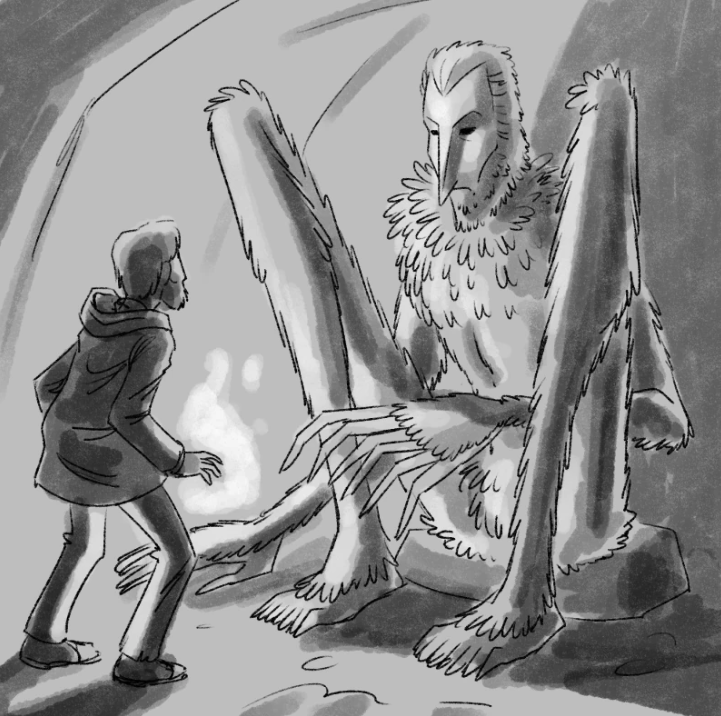
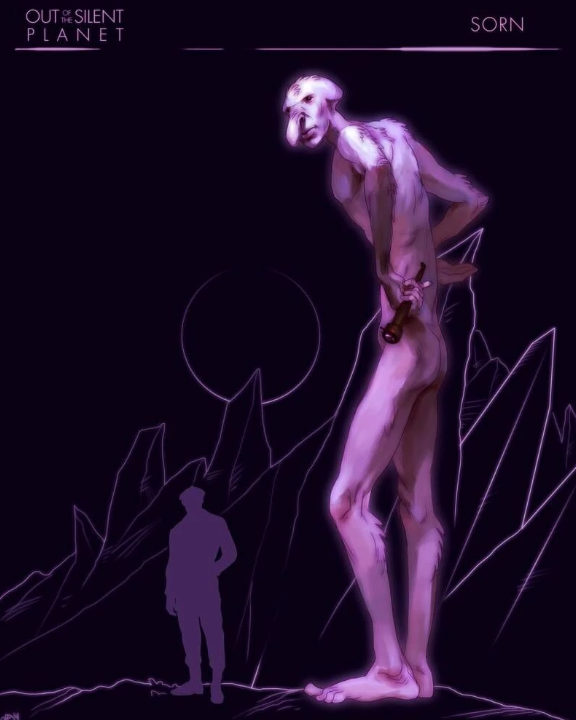
Séroni (singular sorn; the plural is sometimes given as sorns)
They are thin, fifteen-foot-high humanoids having coats of pale feathers and seven-fingered hands. Séroni are the the philosophers, scientists and scholars of Malacandra, specializing in science and abstract learning.
Ransom obviously had the human reaction and assumes these are the dominant species on the planet, before realized they all do live in harmony.
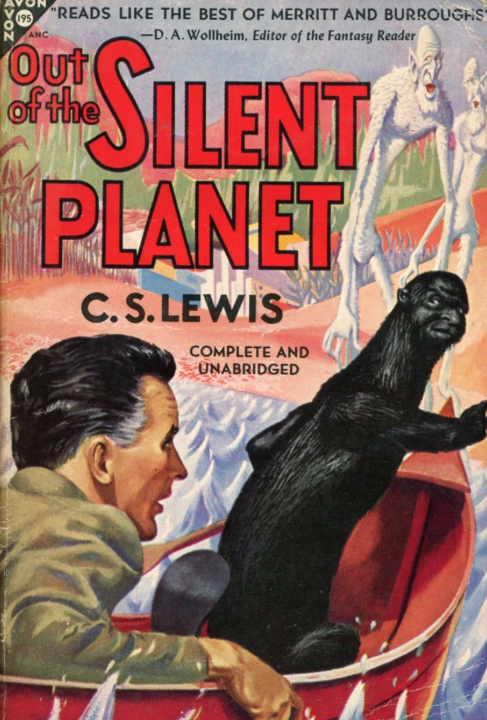
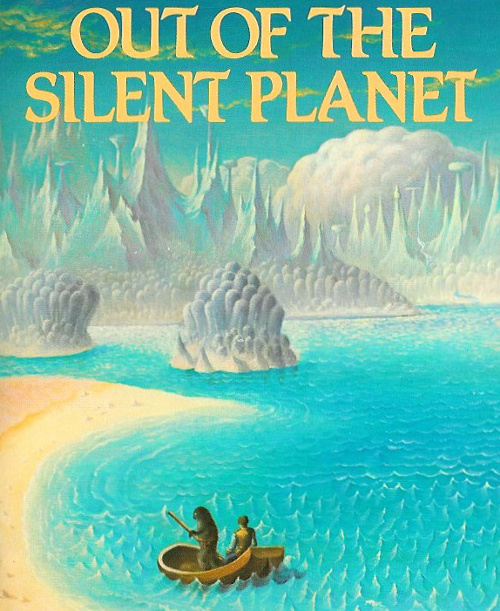
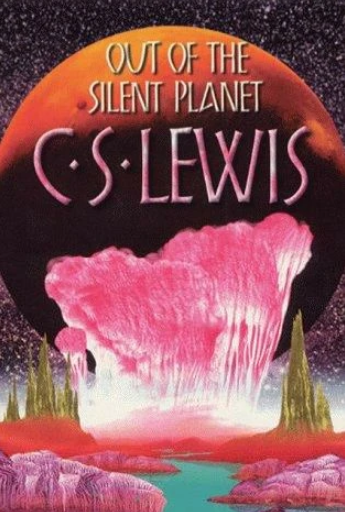
Isaac Asimov’s “Gold” has a section that discusses the cover art and it’s goal vs the actual text. Interesting seeing this observation here on this book cover. Also the insanely human depictions (faces) of the animals.
Pfifltriggi They are the builders and technicians. Didn’t get to see much of them, would have been cool to round out the big 3 natives on the trip.
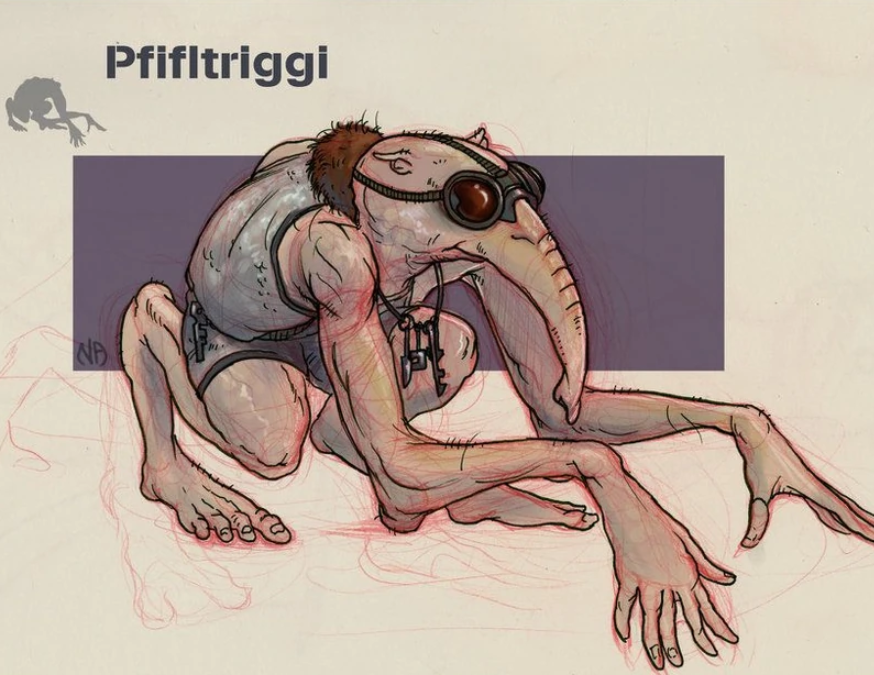
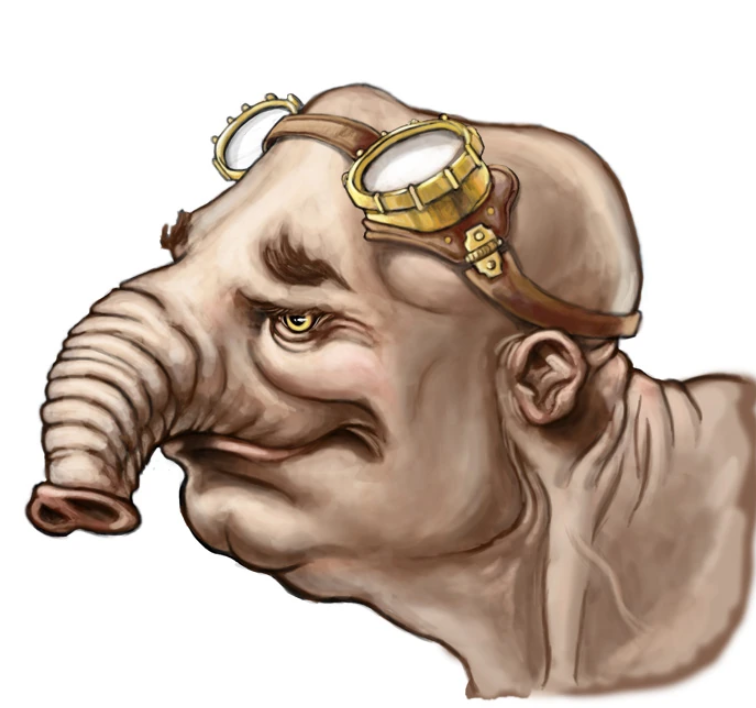
Overall, there is a wide variety of extraterrestrial life depicted here, but falls to the earlier tropes of S.F. with very analogous creatures from earth: otter-like, elephant like, the tall yellow giraffe type animals. Obviously the eldila have a much different form, but that comes from human myths and ties in the religious side of the story. ”A Meeting With Medusa” by Arthur C Clarke goes the opposite way and approaches from a much more technical route with his exploration of the denizens of Jupiter’s upper atmosphere.
Depictions of the Planet
I loved the depictions of the planet. There was enough to set the scene and populate it with some color and shapes, but still left so much to the imagination. The depictions of the handramits vs the surface, these cozy valleys nestled between the distant walls with the mushrooming surface poking out in the distance.
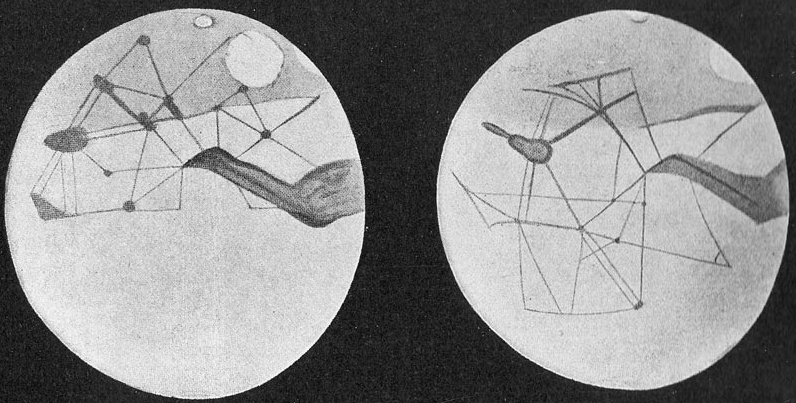
Martian “canals”, depicted by Percival Lowell. These seem to line up with the descriptions of large construction projects to create the handramits after the Bent One destroyed the surface.
During the 1894 opposition, the idea that Schiaparelli’s canali were really irrigation canals made by intelligent beings was first hinted at, and then adopted as the only intelligible explanation, by American astronomer Percival Lowell and a few others. The visible seasonal melting of Mars polar icecaps fueled speculation that an advanced alien race indigenous to Mars built canals to transport the water to drier equatorial regions.
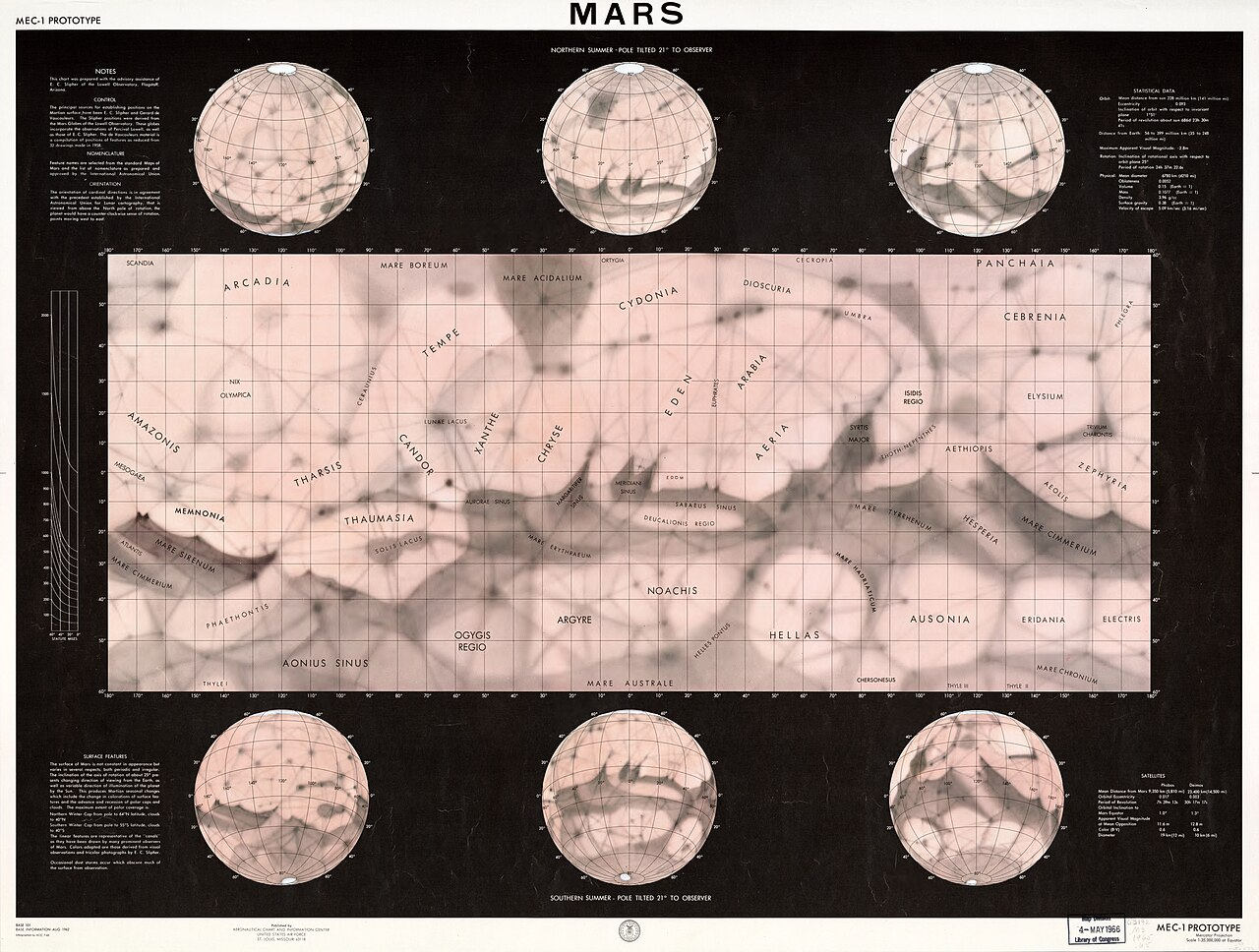
A 1962 map of Mars published by the U.S. Aeronautical Chart and Information Center, showing canals snaking through the Martian landscape. At the time, the existence of the canals was still highly controversial as no close-up pictures of Mars had been taken.
I really liked the voyage over the top of the mountain range to visit Oryarsa. That scene was really vivid to me for some reason. Reminded me of the Lord of the Rings scene where Aragorn, Legolas, and Gimli when they are taking the Paths of the Dead and come across the King of the Dead. This also fits because Lewis and Tolkien were acquaintances and members of the Inklings. One thing I had fun noticing was the depiction of the detail and clarity of vision in atmosphere-less environments (during this trip over the mountains with Augray). Common description in Science Fiction, with Clarke making similar comments about that on one scene set on the moon (Looking over a cliff and thinking it could be several meters down when in reality it was hundreds).
Misc.
Answering Sorns’ questions and how much we actually know about the world vs what could be pulled out.
The smells, and how to explain being there from the final section I thought was a cool note and way to put that to words. Even with modern phones and crisp image quality, it’s never the same as what you see with your eyes, and smell and feel on the air around you. I frequently get this way about Japan. “Oh how was it?”, that I can’t answer well
Adventuring out vs staying in comfort/stagnation/resignation, like one of the bad guys talks about in the end of the book to Oyarsa. This is a common theme in S.F.: Humans are naturally adventurous and seek continued growth, pushing them out Earth, then the solar system. But this leads to the exact same type of friction that has happened historically. Azimov has a story (don’t remember which) where the adventurous people go off and colonize planets. They are the adventurous ones, and that spirit stays with them throughout the generations. They see the Earthlings who stayed as lesser because they lacked that drive, and indeed they progress slower back on earth. Eventually this leads to the outer colonies splitting from Earth and becoming their own (potentially own species??? Not clear what that point is). Historically, those who had the drive to leave Europe produced more of their ilk, which leads to stereotypes. One funny one was in a book on Babbage (British) who was upset by lack of progress/ interest that the Americans would have taken to wholeheartedly in their spirit of invention and progress. Steinbeck also talks about this in The Grapes of Wrath, this time with an entirely* American perspective. Those who originally moved west were ambitious and forced out the natives with their drive, but eventually grew tired and lazy on their laurels. This lead to conflict when the newer generation, displaced by the great depression, moves into California with a drive that rivaled the ancestors.
The final trajectory back to earth. Arthur C. Clarke would have done a full calculation of the orbits and had them double checked by math and physicists. Not sure what Lewis did, but doubtful as much.
There’s a comic version!
Details sourced from
- https://the-silent-planet.fandom.com/wiki/Out_of_the_Silent_Planet
- https://en.wikipedia.org/wiki/Martian_canals
Written by a human.
For questions, bug reports, or complaints, please contact me!